
A refrigerator leaking water typically results from a clogged defrost drain, damaged door gasket, faulty water inlet valve, or disconnected ice maker line. These issues cause water to pool underneath or inside the appliance, requiring prompt attention to prevent floor damage and mold growth.
According to appliance repair industry data, water leaks account for approximately one-third of all refrigerator service calls. Most leaks originate from five primary sources that homeowners can identify through systematic inspection. Understanding leak patterns and knowing when DIY fixes suffice versus when professional repair is necessary protects your appliance investment and home.
Table of Contents
- Why Your Refrigerator Is Leaking Water
- Most Common Sources of Water Leaks
- How to Diagnose a Refrigerator Leaking Water
- How to Fix a Leak (Step-by-Step)
- FAQ
- Conclusion
Why Your Refrigerator Is Leaking Water
Refrigerator water leaks stem from condensation buildup, blocked drainage systems, damaged components, or supply line failures. Identifying leak location underneath, inside, or behind the unit narrows potential causes and guides effective troubleshooting.
Refrigerators leak when defrost drains clog, door seals fail, water lines crack, or inlet valves malfunction, causing condensation or supply water to escape onto floors or into fresh food compartments.
Understanding Normal vs. Problematic Water Presence
All refrigerators produce condensation during normal operation. Self-defrosting models melt accumulated frost, directing water through defrost drains to evaporation pans. When these systems function properly, water evaporates before pooling becomes visible. Excess humidity or temperature fluctuations increase condensation beyond system capacity.
EPA EnergyStar appliance standards require efficient moisture management in certified refrigerators. However, even compliant models develop leaks when components wear, drains clog, or installation issues create improper leveling. Standing water always indicates a problem requiring correction.
The Role of Temperature and Humidity
Environmental conditions significantly impact leak frequency. High ambient humidity increases condensation on cold surfaces inside refrigerators. Frequent door openings introduce warm, moist air that condenses rapidly. In coastal or humid climates like South Florida, condensation rates double compared to arid regions.
Temperature differential between refrigerator interior and room temperature drives condensation intensity. Wider gaps create more moisture. Setting refrigerators below recommended temperatures (35–38°F for fresh food) generates excessive condensation that overwhelms drainage systems, creating apparent leaks.
The Leak-Path Analysis Framework
Effective diagnosis follows the water path from source to visible leak location. Interior leaks suggest drain or door seal issues. Underneath leaks indicate drain pan overflow or supply line problems. Behind-unit leaks point to water inlet valves or ice maker connections. This leak-path framework eliminates guesswork.
Expert Tip: Before investigating complex causes, verify refrigerator level using a bubble level placed inside on a shelf. Units tilted forward prevent proper drainage, causing water backup that mimics component failures. Adjust leveling legs to tilt slightly backward for proper water flow.
Most Common Sources of Water Leaks
Five primary failure points account for the majority of refrigerator leaks. Understanding these sources helps homeowners prioritize inspection areas and communicate effectively with repair technicians when professional service becomes necessary.
Common leak sources include clogged defrost drains, cracked ice maker supply lines, worn door gaskets, faulty water inlet valves, and improperly seated water filter housings, each creating distinct leak patterns and locations.
Clogged Defrost Drain
The defrost drain carries melted frost from the evaporator coils to the drain pan beneath the refrigerator. Food particles, ice buildup, or debris clog this drain, causing water backup into fresh food compartments or underneath the unit. Defrost drain clogs represent the single most common leak source in refrigerators.
Clogs typically develop gradually. Initial symptoms include small water puddles in crisper drawers or beneath vegetable bins. As blockage worsens, water overflows onto floors. The drain opening sits at the back of the refrigerator interior, often hidden behind panels or beneath the crisper drawer system.
Ice Maker and Water Line Failures
Ice maker supply lines connect to household water using compression fittings or push-to-connect couplings. These connections loosen over time from vibration, temperature cycling, or installation stress. Plastic water lines become brittle with age, developing hairline cracks that leak slowly.
refrigerators with built-in ice makers experience supply line issues due to complex routing through door hinges. Door movement gradually weakens connections. Leaks from ice maker lines typically appear behind or underneath refrigerators, sometimes traveling along floor contours before becoming visible.
Door Gasket Seal Degradation
Rubber door gaskets create airtight seals preventing warm air infiltration. Gaskets degrade from repeated opening, exposure to food residue, and normal aging. Failed seals allow humid air entry, creating excessive condensation that appears as interior or underneath leaks.
Testing gasket integrity involves closing a dollar bill in the door at multiple points. If the bill slides out easily, the gasket has lost sealing effectiveness.Gaskets typically last 5–10 years depending on usage frequency and cleaning practices.
Water Inlet Valve and Filter Housing Issues
Water inlet valves control flow from household supply to ice makers and dispensers. Internal valve seals deteriorate, causing continuous dripping even when refrigerators aren’t dispensing. These leaks pool underneath units or inside walls where valves mount.
Water filter housings use O-ring seals that compress during installation. Improper filter installation, cross-threading, or worn O-rings create leaks at filter connection points. These leaks often intensify immediately after filter changes, indicating installation errors rather than component failure.
How to Diagnose a Refrigerator Leaking Water
Systematic diagnosis identifies leak sources quickly, preventing unnecessary component replacement and repair costs. Following a structured inspection process reveals problems missed by random troubleshooting.
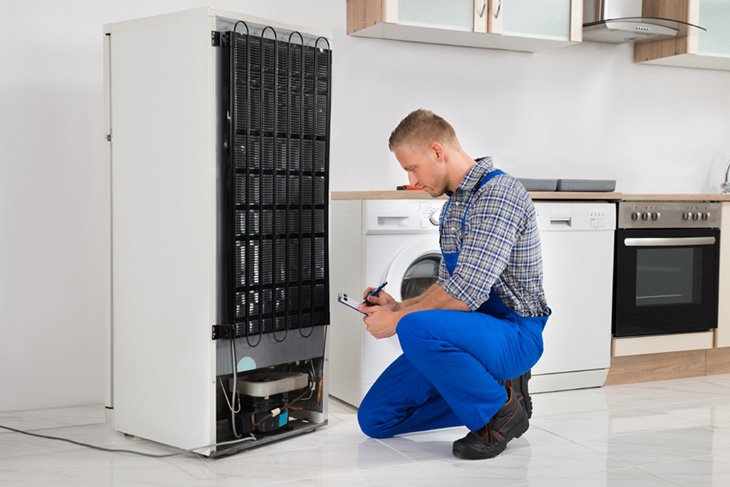
Diagnose refrigerator leaks by locating visible water, tracing it to the source, inspecting defrost drains and door seals, checking water line connections, and monitoring leak patterns over 24 hours to distinguish transient from persistent issues.
Initial Inspection Checklist
Start diagnosis by observing leak location and timing. Does water appear after defrost cycles? Is it constant or intermittent? Does opening the door trigger leaking? These patterns reveal likely causes. Check underneath, behind, and inside the refrigerator systematically.
Diagnostic Inspection Checklist:
- Document exact leak location (front, back, inside compartments)
- Note timing (constant, periodic, after door opening)
- Check refrigerator level using bubble level
- Inspect door gaskets for tears, hardening, or gaps
- Examine water filter installation and housing
- Look for ice buildup around defrost drain opening
- Trace visible water lines for cracks or looseness
- Listen for continuous water flow sounds indicating valve issues
Testing the Defrost Drain
Pour one cup of water into the defrost drain opening located at the refrigerator’s rear interior wall. Water should flow freely into the drain pan beneath. If water backs up or drains slowly, the line is clogged. This simple test confirms or eliminates the most common leak source.
For confirmed clogs, observe whether water eventually drains or remains standing. Complete blockages require mechanical clearing. Partial blockages may allow slow drainage but can’t handle normal defrost cycle volume, creating overflow during peak frost melting.
Water Line Pressure Testing
Turn off the refrigerator water supply valve and inspect all visible water line connections. Wipe connections dry, then restore water supply while observing for drips. Even slow drips accumulate into significant floor puddles over hours. Check compression fittings, saddle valves, and push-to-connect couplings.
Mini-Case: A homeowner discovered a small leak underneath their refrigerator that appeared only sporadically. After systematic diagnosis, they found a hairline crack in the ice maker supply line where it bent through the hinge. The crack opened only when the door swung wide, explaining the intermittent pattern. Professional replacement of the water line eliminated the leak permanently.
How to Fix a Leak (Step-by-Step)
Many refrigerator leaks respond to straightforward repairs homeowners can complete with basic tools. Understanding proper procedures prevents damage during repair attempts and identifies when professional expertise becomes necessary.
Fix refrigerator leaks by clearing clogged defrost drains with warm water and pipe cleaners, tightening loose water line connections, replacing worn door gaskets, or properly reseating water filters according to manufacturer installation specifications.
Clearing a Clogged Defrost Drain
Unplug the refrigerator before beginning repairs. Locate the defrost drain opening—consult your owner’s manual for exact location. Remove any covers or panels blocking access. Use a turkey baster or funnel to pour warm (not boiling) water mixed with mild dish soap into the drain opening.
If water doesn’t flow freely, insert a flexible pipe cleaner or small diameter tubing into the drain to dislodge blockages. Work gently to avoid puncturing the drain line. Continue flushing with warm water until drainage runs clear. Replace any panels and restore power. Monitor for 24 hours to confirm leak resolution.
For detailed information on proper refrigerator maintenance, visit the U.S. Department of Energy’s appliance resources.
Tightening and Replacing Water Line Connections
Turn off the water supply valve before working on water lines. Tighten compression fittings by quarter-turns using an adjustable wrench, avoiding over-tightening which can crack fittings. For push-to-connect fittings, ensure the line is fully inserted to the stop point.
Replace cracked or damaged water lines entirely. Water lines cost $10–$30 at appliance parts suppliers. Use manufacturer-recommended line types, typically braided stainless steel or reinforced plastic. Avoid vinyl tubing which becomes brittle. After installation, dry all connections, restore water supply, and inspect for drips over several hours.
Door Gasket Replacement Procedure
Order replacement gaskets specific to your model number. Generic gaskets rarely seal properly. Gasket costs range $50–$150 depending on refrigerator size. Installation requires removing the old gasket from retaining channels and installing the new gasket while ensuring proper alignment.
Soak new gaskets in warm water before installation to increase flexibility. Start installation at top corners, working downward to prevent bunching. Ensure even seating throughout the perimeter. Close the door and verify uniform seal contact around the entire opening. Some models use screws securing gaskets; others use friction retention.
Safety and Tool Requirements
Always unplug refrigerators before internal repairs. Water and electricity create shock hazards. Have towels ready to absorb water during drain clearing. Use protective gloves when handling sharp panels or working near compressor areas.
Required Tools:
- Adjustable wrench or pliers
- Flexible drain cleaning brush or pipe cleaners
- Turkey baster or funnel
- Towels and bucket
- Flashlight
- Bubble level
- Screwdrivers (Phillips and flathead)
For comprehensive appliance safety information, reference National Fire Protection Association standards.
FAQ
Why is water pooling under my refrigerator?
Water underneath refrigerators typically results from clogged defrost drains causing overflow, cracked ice maker supply lines, or drain pan cracks. Check the drain pan for damage first, then flush the defrost drain with warm water. If problems persist, inspect water line connections for leaks or call a professional technician.
Can a clogged defrost drain cause water inside the refrigerator?
Yes. Clogged defrost drains prevent melted frost from reaching the drain pan, causing water backup into fresh food compartments. Water typically pools in crisper drawers or beneath vegetable bins. Flush the drain with warm soapy water using a turkey baster to clear blockages and restore proper drainage.
How often should I clean my defrost drain?
Clean defrost drains quarterly by flushing with warm water and mild dish soap. High-use refrigerators or those storing uncovered foods may require monthly cleaning. Regular maintenance prevents gradual buildup that eventually causes complete blockages and water leaks into compartments or onto floors.
Is a refrigerator leaking water an emergency?
Active leaks creating floor puddles require prompt attention to prevent water damage, mold growth, and structural issues. While not life-threatening emergencies, water intrusion into flooring and baseboards causes expensive secondary damage within hours. Schedule same-day service when possible to minimize damage and repair costs.
Will a new water filter stop it from leaking?
Only if the leak originates from an improperly seated old filter or damaged filter housing O-rings. Most refrigerator leaks stem from defrost drains, door seals, or water lines unrelated to filters. Replace filters on schedule and ensure proper installation, but investigate other sources if leaks persist after filter changes.
Conclusion
Refrigerators leaking water signals fixable problems ranging from simple clogged drains to failed components requiring professional repair. Most leaks originate from defrost drain blockages, door seal failures, ice maker line issues, or water valve malfunctions all identifiable through systematic diagnosis.
Simple repairs like drain flushing, gasket cleaning, or connection tightening resolve many leaks using basic tools and procedures. Complex issues involving sealed systems, refrigerant handling, or electrical components require factory-certified technicians with proper tools and EPA certification. Preventive maintenance performed quarterly dramatically reduces leak frequency while extending refrigerator lifespan and maintaining optimal performance.
Book a professional refrigerator repair appointment for same-day service across South Florida. Our certified technicians diagnose and fix leaks quickly using genuine parts and provide warranties on all repairs. Call (800) 651-4528 today.